Restored Yard Safety
Eliminate hidden danger zones under cracked or hanging branches.
Comprehensive post-storm cleanup and dangerous tree removal across Slade Point following severe weather.
Cleaning up storm debris across Slade Point and Mackay coastal strip
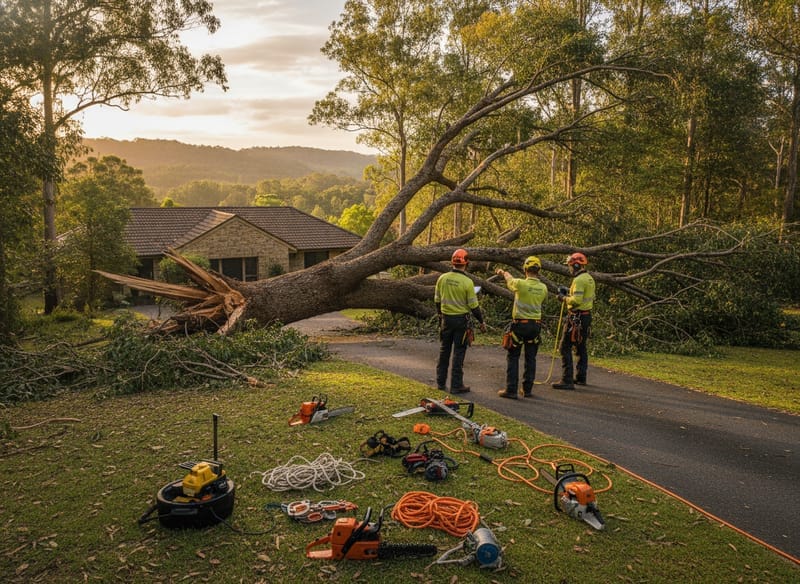
Tropical weather systems and severe storm cells regularly hit the Slade Point peninsula. Our storm damage tree removal Slade Point service handles the cleanup of shattered canopies, uprooted trees, hung-up limbs, and severe debris scattered across your property.
Following major events like ex-Tropical Cyclone Koji, heavy rainfall causes soil saturation while violent wind shifts tear off massive poinciana and African mahogany branches. Cleanup stops fungal decay from establishing in broken branch tears.
Eliminate hidden danger zones under cracked or hanging branches.
Clean pruning cuts over jagged storm tears protect surviving tree structures.
Clear massive piles of storm mulch and limbs to restore normal yard access.
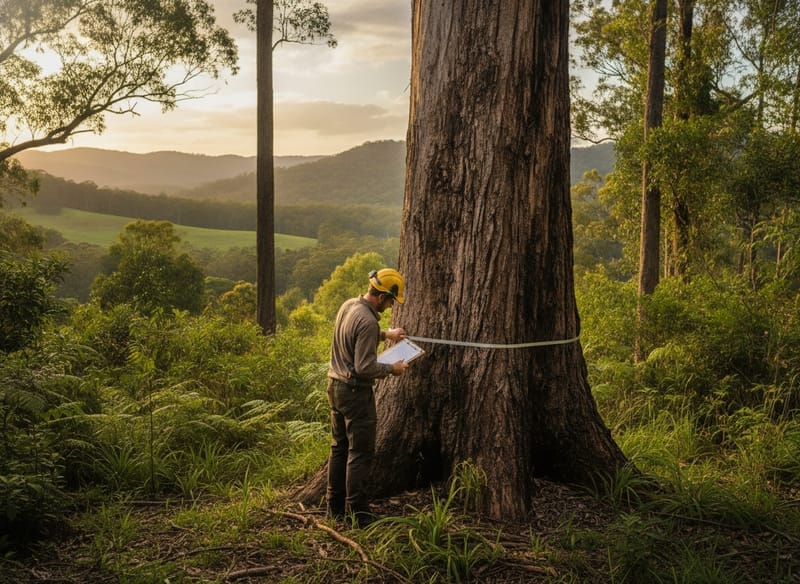
We check site access, overhead power, ground saturation, and tree tension.
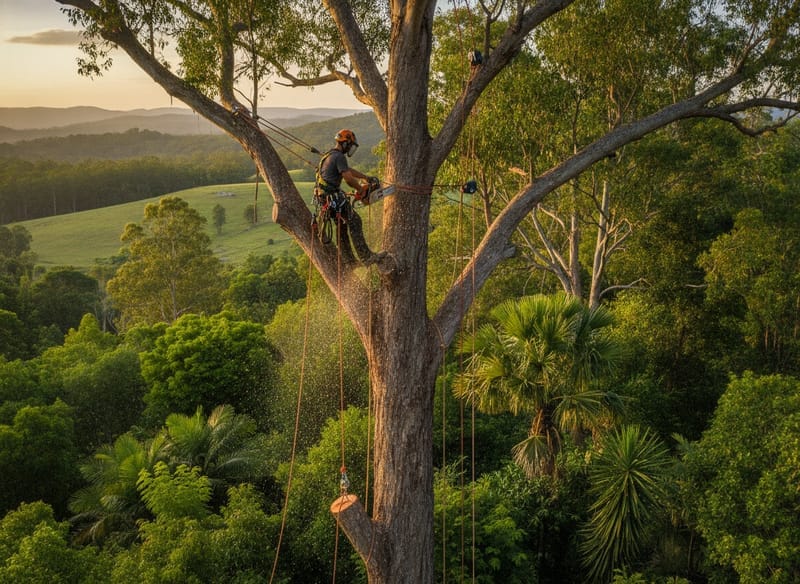
We prioritize clearing hanging limbs before addressing ground debris.
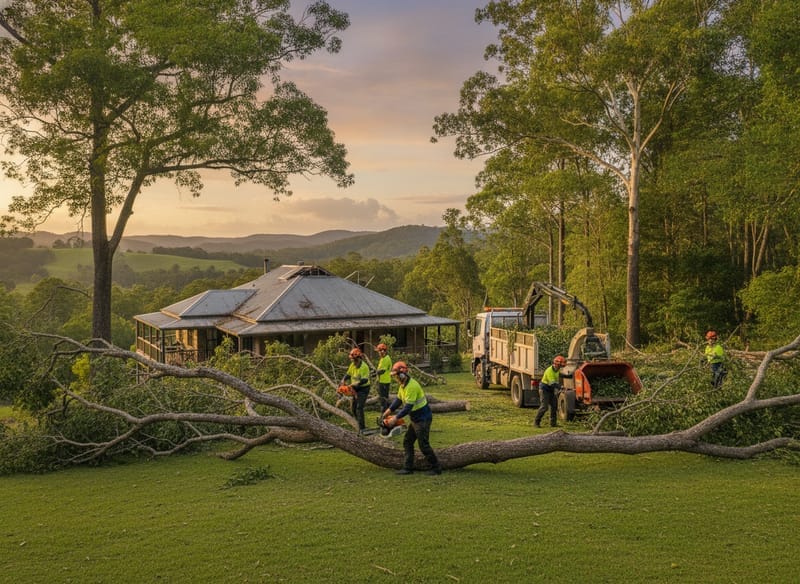
Chippers and loaders break down large storm debris efficiently.
We rake fine debris and leave your property clear and safe.
When severe weather sweeps off the Coral Sea across the Slade Point peninsula, gale-force winds and torrential monsoonal downpours quickly compromise mature coastal canopies. If you are facing fallen timber, dangerous hanging limbs, or uprooted trunks threatening your home, professional Storm Damage Tree Removal Slade Point is critical to securing your property safely. Our local crew responds rapidly across Slade Point and neighbouring northern suburbs like Andergrove, North Mackay, and Blacks Beach to clear dangerous tree hazards. Slade Point properties face a unique combination of salt exposure, sandy soils, and high-velocity coastal squalls during the tropical wet season from November to April. Ex-Tropical Cyclone Koji demonstrated just how fast waterlogged coastal ground can cause massive root-plate failure in heavy species like poinciana, mango, and raintree. When trees collapse onto roofs, driveways, or powerlines, attempting DIY clearance poses extreme danger. We deploy qualified climbing arborists, heavy-duty chippers, and specialised rigging equipment to eliminate storm hazards cleanly and effectively.
Storm-damaged trees are rarely straightforward to dismantle because structural wood fibers remain under massive tension and compression. When uncertified operators or well-meaning property owners tackle storm debris with a chainsaw, they often encounter dangerous spring poles, sudden barbers-chair trunk splits, or rolling log shifts that cause severe injury and secondary property destruction.
Improper post-storm lopping also creates long-term structural weakness. Indiscriminate flush cuts or heading back damaged limbs violates AS4373 Pruning of Amenity Trees and triggers aggressive, poorly attached epicormic growth that fails in the next storm cycle. Furthermore, partially detached branches known as widow-makers can linger high in the crown of a tall forest red gum or paperbark, ready to fall in the slightest breeze.
Our team approaches every storm-damaged tree with qualified rigging, load-calculation protocols, and modern mechanical advantages. We relieve stored kinetic energy safely, execute controlled sectional dismantling, and stabilise partially uprooted root plates. By evaluating the overall health of retained canopy rather than unnecessarily clear-felling salvageable trees, we restore structural stability while protecting your home, outbuildings, and landscape integrity.
Our storm response utilizes advanced arboricultural engineering and certified rigging to manage extreme wood tension, unstable root plates, and high-risk canopy clearance.
We utilize multi-directional wedge cutting, bore cuts, and controlled winching lines to neutralise stored kinetic energy in bent trunks (spring poles) and under-load limbs before severing, preventing sudden splitting or barber-chair failures.
For heavy limbs or trunks resting against buildings, fences, or overhead service lines, our crew installs positive and negative arborist rigging systems, spider lifts, and crane hoists to lift and lower timber without impact damage.
Where mature trees suffer partial canopy tear-outs, we remove hung-up widow-makers and execute precise reduction and collar cuts in accordance with AS4373, reducing future decay and fostering sound structural recovery.
High winds in saturated sandy coastal soil often cause root ball heave. We anchor unstable root plates with ground lines and winches before bucking the main stem, preventing the root ball from violently snapping back into position.
High-capacity commercial wood chippers process massive volumes of fallen branches, palm fronds, and foliage directly on-site into premium organic mulch, while heavy timber is cut to manageable lengths and hauled away via tipper trucks.
When severe weather hits, our first priority is site triage. We begin with an on-site hazard appraisal to categorise risks: Priority 1 covers immediate threats to dwelling integrity, powerlines, and vital access roads; Priority 2 targets suspended limbs and secondary hazards; Priority 3 manages compromised standing trees; and Priority 4 covers ground-level timber cleanup. Before cutting begins, we document the damage with high-resolution photography and detailed notes, creating an insurance-ready assessment that assists property owners with claim paperwork. We also verify any applicable planning rules under the Mackay Region Planning Scheme 2017 or apply the current ex-Tropical Cyclone Koji disaster clearing exemption where emergency safety clearing is justified. Once the work zone is secured with drop-zone exclusion perimeters, our climbers and ground crew systematically relieve tension, dismantle suspended sections, and process fallen debris using heavy-duty chippers. The entire site is raked, blown down, and cleared of hazardous material, leaving your property safe, clean, and structurally sound.
Every emergency storm response is conducted under strict Australian arboricultural standards. Our field crew includes AQF Level 3 practising arborists and AQF Level 5 consulting arborists holding current certifications in tree felling, working at heights (RIIWHS204D), and elevated work platforms. We strictly adhere to AS4373 (Pruning of Amenity Trees) to protect surviving trees from improper lopping damage, while following AS4970 guidelines for tree protection. Mackay Arborist is fully insured with comprehensive public liability cover and active WorkCover policies, protecting your assets and our workers at every step.
Executing Storm Damage Tree Removal Slade Point requires understanding the distinct coastal environment of the Mackay northern beaches. Slade Point features sandy, salt-laden coastal soil that quickly turns to slurry during monsoonal deluges, drastically reducing the holding capacity of broad root systems. Signature local trees such as wide-spreading poincianas (*Delonix regia*), heavy backyard mangoes (*Mangifera indica*), and coastal coconut palms (*Cocos nucifera*) suffer distinct damage profiles in high-velocity gale events. Brittle poinciana limbs snap under wind shear, while top-heavy coconut palms and shallow-rooted paperbarks (*Melaleuca*) are prone to whole-tree failure in saturated ground. Under the Mackay Region Planning Scheme 2017, coastal and biodiversity overlays often protect native vegetation. However, in the wake of ex-Tropical Cyclone Koji, the active state disaster clearing exemption allows immediate clearing to protect human life, property, and essential infrastructure without prior council approvals. Note that public street trees on council road reserves remain protected under Local Law 1 (Administration) 2011 and must be reported directly to Mackay Regional Council.
Following a severe storm and emergency removal work, retained trees require vigilant post-event care. Coastal wind shear and branch tear-outs leave exposed wounds vulnerable to fungal decay, wood-boring insects, and aggressive, weak epicormic sprouting.
Storm damage cleanup costs depend on the volume of fallen timber and complex rigging needs.
We provide written estimates and itemised billing for simple insurance processing.
Assisting Slade Point and surrounding Mackay coastal communities post-storm.
Contact our experienced team to clean up fallen timber and dangerous limbs.
Request Storm Cleanup