Controlled Canopy Height
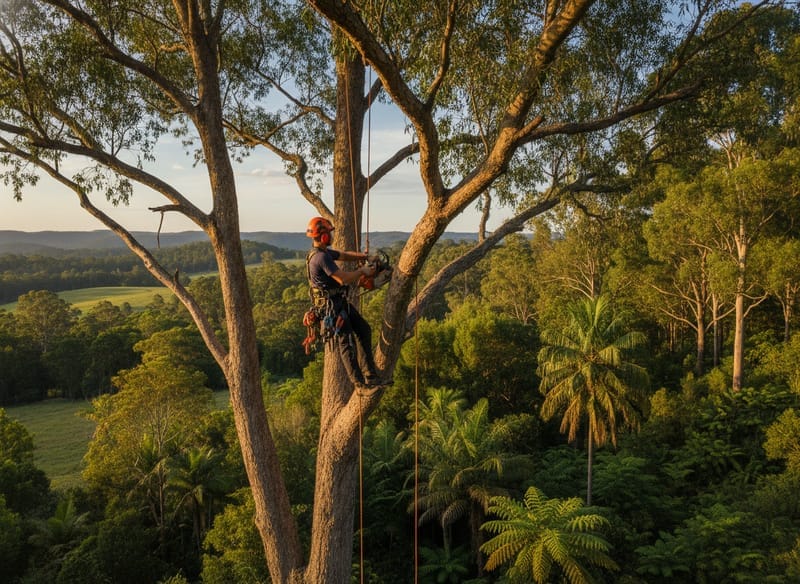
Reduce your tree's total height to keep it clear of powerlines and structural drop zones without destroying its shape.
Safe canopy reduction and expert alternatives to classic topping that protect your home and garden.
Servicing Shoal Point, Bucasia, and the wider Mackay region
If you are searching for tree lopping Shoal Point to manage overgrown canopies or reduce tree height, we can help. While traditional lopping can harm tree health by causing weak, rapid regrowth and trunk rot, our qualified arborists provide safe height reduction, crown thinning, and pruning that meets AS4373 standards. We convert high-volume lopping requests into sustainable tree care options that protect both your home and the tree's health.
Shoal Point's sandy, wet environment makes lopped trees incredibly dangerous. The weak water-sprouts that grow from old lopping wounds act like sails in cyclones, failing easily and risking nearby coastal roofs.
Reduce your tree's total height to keep it clear of powerlines and structural drop zones without destroying its shape.
Proper reduction cuts require less ongoing maintenance than lopped trees, which shoot out wild growth within weeks.
Retaining strong, healthy forks ensures your coastal timber survives the stress of monsoonal winds.
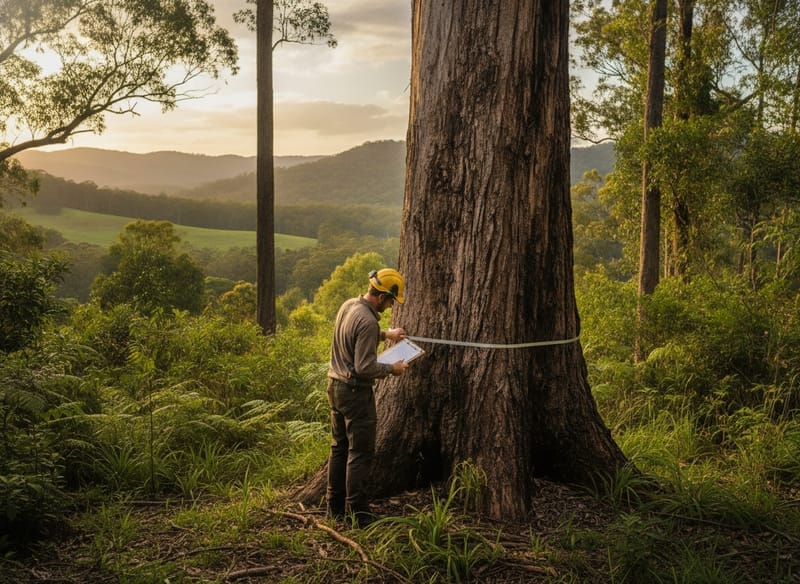
We assess the tree and advise whether a reduction or removal is best for your safety.
We establish ground barriers to isolate the falling zone and protect structures on site.
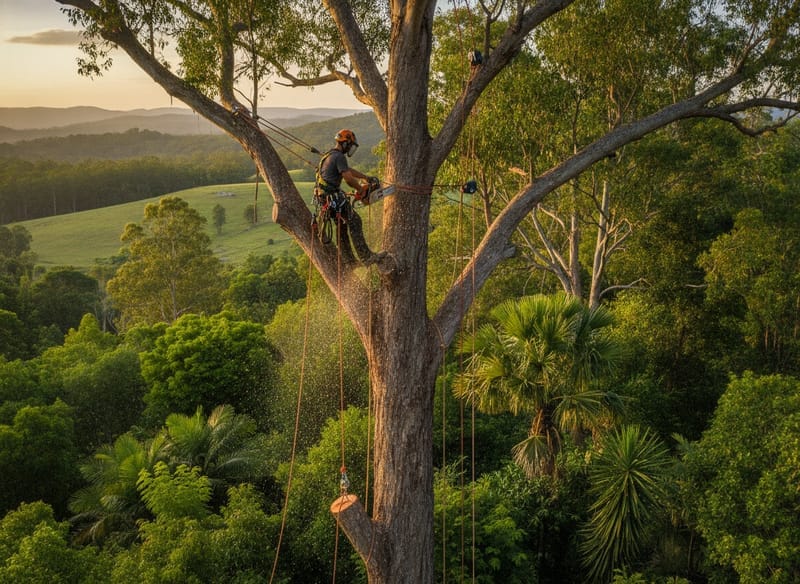
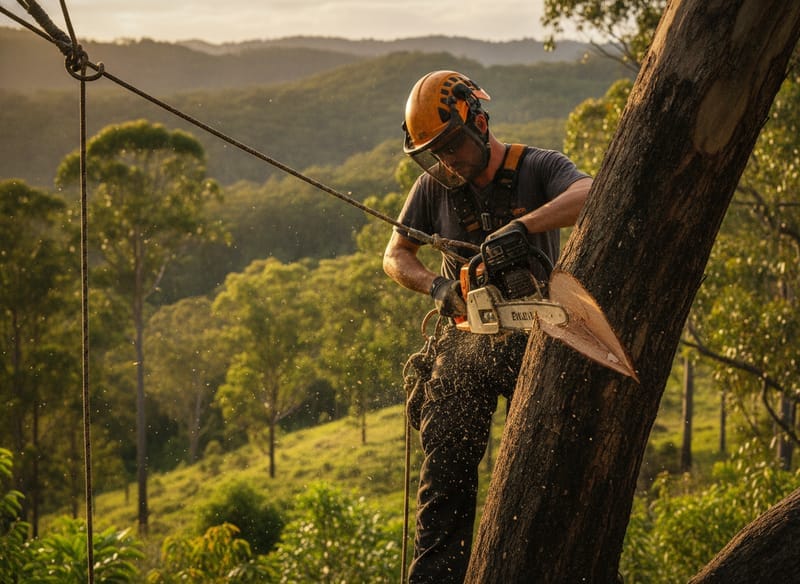
Our climbers cut the branches back to growth nodes that can support new healing wood.
All cut timber is run through our wood chipper, leaving your yard clean and tidy.
If you are searching for dependable Tree Lopping Shoal Point property owners can trust, our experienced arborist crew is on hand to manage overgrown, hazardous, and storm-vulnerable canopies. Situated at the northern coastal tip of Mackay, Shoal Point properties enjoy expansive blocks and lush tropical growth, but large poincianas, sprawling mango trees, and heavy coconut palms rapidly outgrow residential fence lines.
When large branches crowd rooflines, block coastal vistas along O'Shea Esplanade, or threaten solar panels, you need precise canopy reduction. Rather than indiscriminately hacking branches, we use qualified arborist techniques that decrease canopy weight, reduce wind resistance, and restore clearance while maintaining long-term tree health across the northern beaches.
When property owners ask for Tree Lopping Shoal Point wide, they generally want their trees made smaller, safer, and easier to manage. However, traditional rough lopping—such as cutting off main leads with blunt heading cuts—triggers severe decline. Topping removes the tree's energy reserves and leaves wide, open wounds that cannot heal in our humid coastal climate. In response to aggressive topping, trees rapidly push out dense clusters of epicormic shoots. These shoots grow fast but are weakly attached to the outer wood, turning into hazardous branch failures during severe weather. Furthermore, untreated cut stubs invite wood-rot fungi and termites directly into the trunk. Our team resolves this through AS4373-compliant crown reduction and target pruning. By cutting back to healthy lateral growth nodes that can take over the terminal role, we achieve substantial height and spread reduction without causing the structural decay and rapid, weak regrowth caused by untrained operators.
When property owners request tree lopping, we deliver Australian Standard AS4373 solutions that lower volume and mitigate storm hazards safely:
Decreasing canopy height and lateral spread by pruning branches back to healthy side limbs that are at least one-third the diameter of the parent stem. This prevents epicormic shoot formation and maintains natural architecture.
Selectively removing 10% to 20% of interior branches to reduce wind resistance during summer storms. Crucial for coastal Shoal Point blocks to reduce sail effect without altering the tree's overall height.
Pruning lower branches to create designated vertical clearance over driveways, footpaths, coastal access points, and boundary fences, completed strictly to the branch collar.
Targeted removal of individual overextended, cracked, or decaying limbs over carports, sheds, and outdoor entertaining areas to eliminate high-risk failure points.
Guiding future canopy development away from overhead power lines, roof gutters, and solar arrays through strategic target cuts that direct growth toward open space.
Controlled lopping and lowering of canopy sections using arborist rigging lines when an irrecoverable or dangerous tree must be brought down safely in confined residential gardens.
We follow a systematic method on every job to ensure safe operations and clean finishes across Shoal Point:
Our climbers hold AQF Level 3 in Arboriculture, supported by AQF Level 5 consulting arborist oversight for formal planning assessments and risk reports. We operate under strict compliance with AS4373-2007 (Pruning of Amenity Trees) and AS4970-2009 (Protection of Trees on Development Sites).
Our business is fully insured with comprehensive public liability insurance and statutory WorkCover for all team members. Tree work in Shoal Point adheres to the Mackay Region Planning Scheme 2017 and the state Vegetation Management Act 1999 for mapped remnant vegetation. Following ex-Tropical Cyclone Koji, we also guide clients under the active Mackay Disaster District clearing exemption running until 13 January 2027, maintaining photographic records for eligible storm-hazard mitigation.
Shoal Point presents a distinct microclimate on the northern beaches, bordered by Bucasia and Reliance Creek. Properties feature sandy, porous coastal soils combined with high water tables, meaning tree roots have shallow holding power compared to heavier clay soils inland.
Common local species such as coastal coconut palms (*Cocos nucifera*), poincianas (*Delonix regia*), backyard mangos (*Mangifera indica*), and paperbarks (*Melaleuca*) put on massive growth during the hot, monsoonal wet season from November to April. When high winds hit saturated sandy ground, heavy, overgrown canopies place extreme rotational force on root systems, causing full tree failures.
Carrying out scheduled Tree Lopping Shoal Point canopy reductions before cyclone season significantly cuts wind resistance and reduces structural stress on your trees. Note that native marine vegetation along nearby tidal boundaries is protected under the Fisheries Act 1994, making correct species identification essential.
After our crew finishes reducing your tree canopy, proper post-care ensures fast healing and strong defensive wood development: - Moisture Retention: Spread a 75mm layer of coarse woodchip mulch across the root zone to hold moisture in Shoal Point's fast-draining sand, keeping mulch 100mm clear of the trunk. - Avoid High-Nitrogen Fertilisers: Do not apply heavy chemical fertiliser after reduction, as this forces weak, spindly shoot growth. - Monitor Regrowth: Inspect branch cut zones after 6 to 12 months. If excessive water sprouts appear, contact our climbers for a light formative thin to maintain the balanced canopy shape. - Annual Pre-Cyclone Inspections: Book a routine canopy check with our team every spring before the summer storm season begins.
Pricing is based on canopy density, tree size, and the safety measures required to lower wood.
We inspect your trees first to offer safe, fixed written pricing with zero hidden fees.
We provide canopy management and height reduction across Shoal Point and surrounding Mackay suburbs.
Get expert advice on height reductions and safe storm preparation for your beach property.
Request a Canopy Review